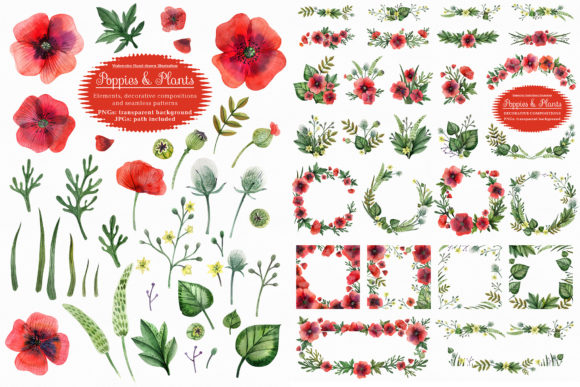
Poppies and Wild Plants Illustrations
As a blog designer and digital publisher, I'm always on the lookout for high-quality graphic design assets that can elevate content presentation. Poppies and Wild Plants illustrations offer a fresh, natural aesthetic that feels both artistic and editorially strong. With their soft lines and organic shapes, these illustrations create a welcoming visual mood that supports a wide range of content niches—from lifestyle blogs to educational resources.
First Impressions: A Natural Editorial Mood
From the first glance, Poppies and Wild Plants exude a calm, nature-inspired vibe. The delicate details and muted color palette make them ideal for content that values simplicity, creativity, and authenticity. This style naturally aligns with niches like gardening, wellness, home decor, and eco-friendly living. It feels approachable yet professional, making it perfect for publishers who want to build trust with their audience through consistent visual storytelling.
The illustrations have a slightly feminine and artistic touch, which works well in creative markets but also maintains enough versatility to fit into more neutral or modern design systems. Whether used as a website header or a Pinterest pin, they add a layer of visual interest without overwhelming the reader.
Real-World Use Cases for Poppies and Wild Plants
These illustrations are incredibly versatile when it comes to publishing workflows. They can be used as blog graphics, article headers, or even as part of a digital guide. For example, a blogger writing about seasonal recipes could use Poppies and Wild Plants as a featured image or as a background for a downloadable recipe printable.
They also work well as social media graphics, especially for platforms like Instagram and Pinterest where visual appeal is key. A Pinterest pin featuring a floral illustration can catch attention and drive traffic back to a blog or online store. Similarly, using these illustrations in newsletter banners or lead magnets adds a polished look that encourages engagement.
For content marketers, Poppies and Wild Plants can serve as a strong visual anchor in affiliate marketing campaigns. Whether used in product reviews, comparison guides, or promotional emails, the clean design helps maintain brand identity while supporting the message of the content.
Boosting Content Performance with Visual Hierarchy
One of the most valuable aspects of Poppies and Wild Plants is how they contribute to stronger visual hierarchy. When used as a website header or article thumbnail, they draw the eye and set the tone for the content that follows. This makes it easier for readers to navigate and engage with the material, ultimately improving click-through rates and time spent on the page.
These illustrations also help reinforce brand identity. By maintaining a consistent visual language across different content formats—such as blog posts, email newsletters, and social media updates—publishers can build a stronger, more recognizable presence online. This consistency fosters trust, which is essential for long-term audience growth and engagement.
Where Poppies and Wild Plants Shine
These illustrations excel in situations where a warm, inviting visual is needed. They work particularly well as hero images, article thumbnails, and Pinterest pins. Their natural aesthetic also makes them great for editorial accents, such as sidebars, section dividers, or content upgrades.
For digital guides, worksheets, or downloadable printables, Poppies and Wild Plants add a professional touch that enhances the perceived value of the content. They’re also ideal for Canva templates, helping designers quickly create cohesive layouts without spending too much time on visuals.
When to Use with Caution
While Poppies and Wild Plants are visually appealing, they may not be the best choice for every scenario. On small mobile thumbnails, the intricate details might get lost, making the image less effective. In text-heavy blog images, they could distract from the main message rather than support it.
They also don’t fit well in very minimal or corporate design systems where simplicity and neutrality are key. In serious professional niches, such as legal or financial services, the playful nature of these illustrations might not align with the desired tone.
Publisher Notes: Testing and Optimization
Before finalizing any use of Poppies and Wild Plants, it’s important to test them in real-world scenarios. Preview the illustrations on both desktop and mobile screens to ensure they look good at different sizes. Check how they appear as a thumbnail and whether they hold up when placed beside different font styles—serif, sans serif, script, or display fonts.
Also, pay attention to contrast and readability. If the illustration is used over a dark background, make sure the text remains legible. Test it in black and white to see if it still holds visual interest without color. Finally, confirm the commercial license to ensure it’s suitable for monetized websites, affiliate pages, or paid content products.
By carefully integrating Poppies and Wild Plants into your design workflow, you can enhance the visual appeal of your content while maintaining a professional and cohesive brand identity. Whether you're creating blog graphics, social media visuals, or digital guides, these illustrations offer a versatile and stylish solution for modern content publishing.